The Medieval Era and Beyond
With the advent of metalworking, the washer began to take a more recognizable form. Blacksmiths and armorers, working with iron and steel, started producing washers to reinforce their creations. These early washers were often simple discs of metal, hand-forged and rudimentary in shape.
The Industrial Revolution marked a turning point in the history of the washer. As machines replaced human labor, the demand for standardized components increased. Washers, once handcrafted items, became mass-produced, ensuring consistency and reliability.
History of Washers – The Modern Washer
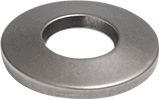
Today, washers are produced in vast quantities using advanced manufacturing techniques. From simple flat washers to specialized components like Belleville washers and split lock washers, the variety is staggering. Modern washers are engineered to precise tolerances, using materials ranging from carbon steel to stainless steel, brass, and even exotic alloys.
Technological advancements have also led to innovations in washer design. For instance, the invention of the lock washer, with its serrated or toothed edges, significantly improved the ability of fasteners to resist loosening under vibration.
Washers in the 21st Century
As we look to the future, it’s clear that washers will continue to be essential components in countless applications. With a focus on sustainability and efficiency, the industry is exploring new materials and manufacturing processes. Additionally, as technology continues to advance, we may see even more specialized washers designed for specific applications.
From their humble beginnings as crudely shaped pieces of metal to the precision-engineered components of today, washers have played an indispensable role in human progress. Their history is a testament to the ingenuity and innovation that have shaped our world.
Want to learn more about the different types of washers and how they can improve your projects? American Belleville offers a wide range of high-quality washers, including Belleville washers, flange washers, and disc springs. Contact us today to discuss your specific needs.